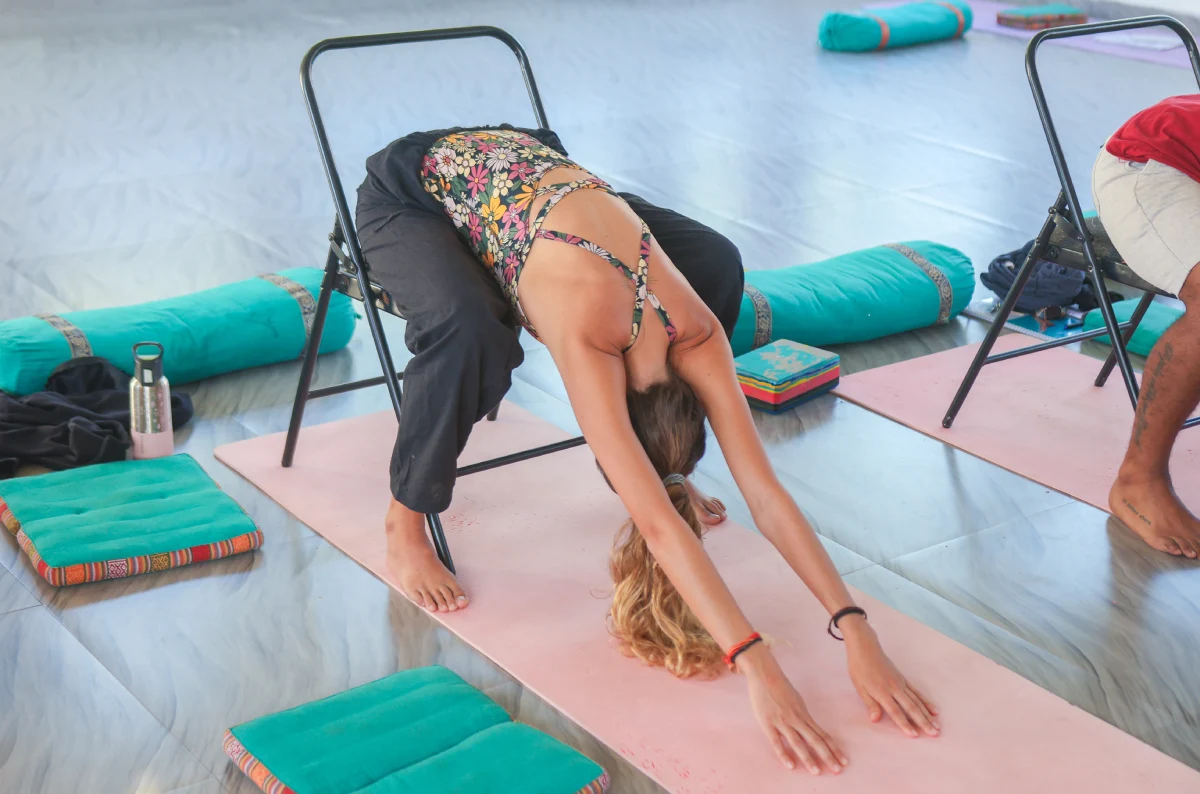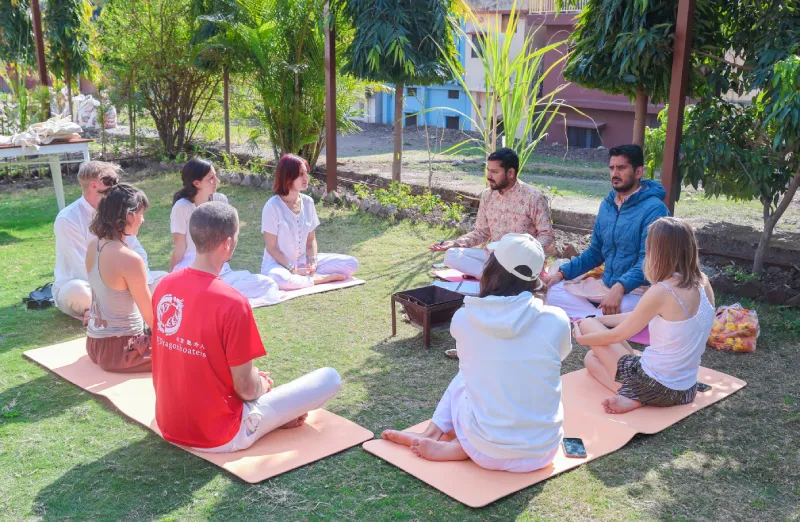

A yoga class is more than a series of postures; it’s a journey of movement, breath, and focus. The way poses are arranged, or sequenced, can make a class feel smooth, balanced, and effective. Advanced yoga teacher training helps teachers develop this crucial skill, giving them the knowledge and practice to design courses that flow naturally.
It goes beyond learning postures to focus on anatomy, pacing, transitions, and responsiveness to students’ needs. With strong sequencing skills, teachers can create sessions that are safe, engaging, and rewarding for everyone, while also deepening their own practice and confidence.
Table of Contents
- 1. Why Is Sequencing Important in Yoga Classes?
- 2. Role of Advanced Yoga Teacher Training in Sequencing
- 2.1. 1. Deepened Knowledge of Anatomy and Physiology
- 2.2. 2. Understanding Energy Flow and Yoga Philosophy
- 2.3. 3. Enhancing Creativity in Sequencing
- 2.4. 4. Tailoring Sequences for Diverse Student Needs
- 2.5. 5. Integration of Breathwork and Mindfulness
- 2.6. 6. Analyzing and Refining Sequences
- 2.7. 7. Building Confidence and Professional Growth
- 3. Common Challenges in Sequencing
- 4. How Can Teachers Build Effective and Balanced Yoga Sequences?
- 4.1. Conclusion
Why Is Sequencing Important in Yoga Classes?
Sequencing plays a crucial role in how a yoga class feels and the benefits students receive. A well-planned sequence ensures:
- Safety: Proper warm-ups, alignment cues, and counterposes reduce the risk of injuries.
- Energy Flow: Students move from one posture to another smoothly, balancing effort and relaxation.
- Goal Achievement: Whether the goal is flexibility, strength, or relaxation, a thoughtful sequence guides students toward it.
- Student Retention: Classes that feel coherent and engaging keep students motivated to return.
Without strong sequencing skills, even experienced teachers may struggle to create classes that flow naturally or meet their students’ needs.
Role of Advanced Yoga Teacher Training in Sequencing
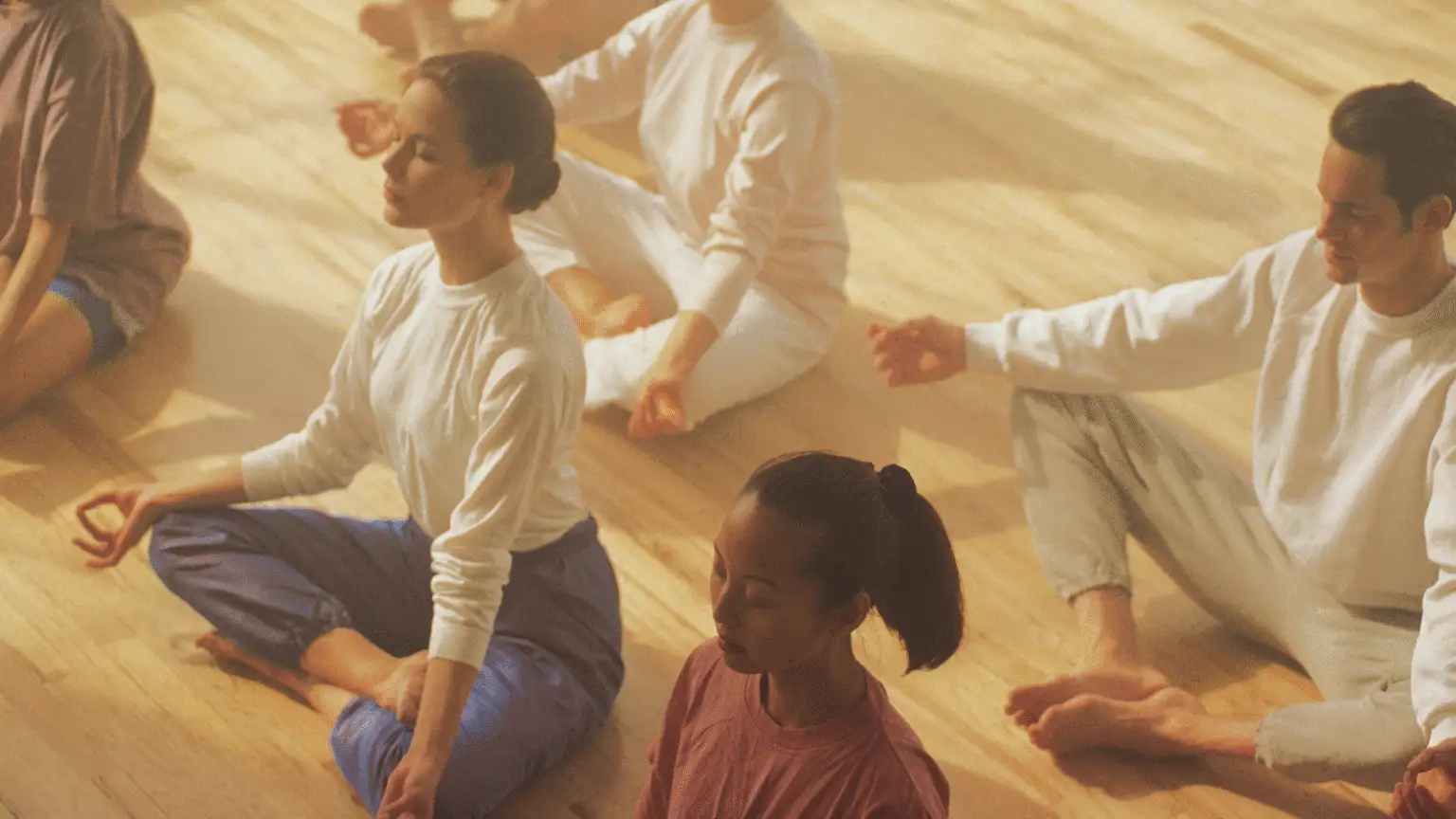
Basic yoga teacher training introduces poses, teaching essentials, and simple class formats. Advanced training, usually 300 hours or more, takes teachers deeper. It gives them the tools to build better classes, refine their style, and gain clarity on how yoga sequencing works at a professional level.
Here’s how advanced training enhances sequencing skills:
1. Deepened Knowledge of Anatomy and Physiology
Understanding how the body moves, its limitations, and the interaction of muscles and joints is crucial for safe and effective sequencing. Advanced yoga teacher training provides a detailed study of anatomy and physiology. Teachers learn to:
- Identify which muscles are engaged or stretched in each pose.
- Sequence poses to prevent strain or injury.
- Adapt sequences for students with different needs or physical limitations.
For example, a teacher can design a sequence that gradually opens the hips without overstretching, or sequence backbends in a way that warms the spine safely. This knowledge allows teachers to create sequences that are both challenging and safe.
Advance your learning and build confidence through a complete 300 Hour Yoga Teacher Training in Rishikesh.
2. Understanding Energy Flow and Yoga Philosophy
Advanced training often introduces the concept of prana (life force energy) and how different poses and sequences influence energy flow in the body. Teachers learn to sequence practices that balance energy, calm the mind, or activate specific chakras, depending on the objective.
- A morning energizing class might include dynamic sequences like Sun Salutations, standing poses, and core work.
- An evening calming class might focus on gentle forward folds, restorative poses, and breathwork.
By integrating philosophical and energetic understanding, teachers can design sequences that go beyond the physical body, addressing mental and emotional well-being.
3. Enhancing Creativity in Sequencing
Advanced yoga teacher training encourages teachers to move away from rigid, pre-set sequences and develop their own style. Teachers explore:
- Creative transitions between poses.
- Combining different yoga styles (e.g., Hatha, Vinyasa, Yin) in a single sequence.
- Thematic classes that tell a story or focus on specific areas like strength, flexibility, or mindfulness.
Creativity in sequencing makes classes engaging and memorable. Students are more likely to feel inspired and connected when the flow of poses feels thoughtful and intuitive rather than repetitive.
Take your practice to a professional level with the 500 Hour Yoga Teacher Training in Rishikesh.
4. Tailoring Sequences for Diverse Student Needs
A key aspect of advanced training is learning to assess student needs and adjust sequences accordingly. Every student comes with a unique body, experience level, and goal. Advanced sequencing skills include:
- Modifying sequences for beginners, intermediates, or advanced students.
- Offering alternatives for students with injuries, chronic conditions, or limited flexibility.
- Designing specialized sequences for prenatal yoga, stress relief, or athletic enhancement.
This adaptability ensures that every student benefits from the practice safely and effectively, which is a hallmark of an experienced teacher.
5. Integration of Breathwork and Mindfulness
Sequencing is not only about poses—it also involves coordinating movement with breath and cultivating mindfulness. Advanced training teaches how to:
- Link breath to movement (vinyasa flow) to maintain rhythm and focus.
- Insert pranayama techniques strategically to support the sequence’s intention.
- Include meditation or mindfulness practices to complete the class experience.
For example, a sequence designed to reduce stress might start with gentle asanas, incorporate slow and mindful breathwork, and conclude with guided meditation. This holistic approach enhances the student experience and reinforces the teacher’s skill in sequencing.
Get to know: How Much Does 300-Hour Yoga Teacher Training Cost?
6. Analyzing and Refining Sequences
Advanced yoga teacher training emphasizes critical thinking and self-reflection. Teachers learn to:
- Evaluate the effectiveness of their sequences.
- Identify poses that may feel awkward or disrupt flow.
- Adjust sequencing for different durations, class levels, or objectives.
This analytical skill ensures that teachers are not only creating sequences intuitively but also scientifically and pedagogically sound.
7. Building Confidence and Professional Growth
Finally, advanced training empowers teachers with confidence. Knowing how to design sequences thoughtfully allows teachers to lead with authority, adapt spontaneously in class, and mentor other teachers. Strong sequencing skills distinguish experienced teachers from beginners and contribute to professional growth.
Ready for deeper training? Here’s what every teacher should know about the 300-hour YTT.
Common Challenges in Sequencing
Even experienced teachers face challenges when creating sequences. Advanced training helps overcome obstacles such as:
- Maintaining balance between strength and flexibility
- Ensuring smooth transitions between poses
- Designing sequences that meet specific class objectives
- Avoiding repetition or predictable patterns
Through guidance, practice, and feedback, teachers learn to address these challenges confidently.
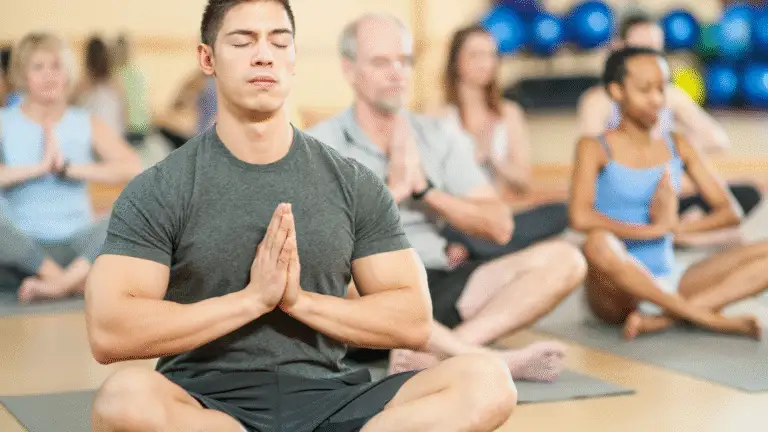
How Can Teachers Build Effective and Balanced Yoga Sequences?
At Rishikesh Traditional Yoga School, our advanced teacher training programs give teachers the tools to build a yoga sequence with clarity and confidence. Our approach focuses on practical learning so trainees can apply everything step by step.
In our training, teachers learn:
- How to create a yoga sequence for different levels.
- How to select peak poses and design sequences around them.
- How to combine multiple yoga styles to achieve a balanced practice.
- How to use props effectively to support students in challenging postures.
- How to respond to student energy and adapt sequences in real-time.
We offer hands-on teaching labs where trainees practice sequencing with peers under expert supervision. This ensures that teachers gain confidence and receive constructive feedback to refine their approach.
Our emphasis is on creating sequences that are safe, accessible, and rewarding for students. By the end of the training, teachers are skilled in designing classes that flow naturally, cater to diverse needs, and leave students feeling aligned and energized.
Ready to grow your sequencing skills with us? Join our upcoming advanced YTT program.
Conclusion
Advanced yoga teacher training plays a vital role in shaping teachers who can design thoughtful, safe, and engaging sequences. With skills in anatomy, energy flow, creativity, adaptability, breathwork, and critical analysis, teachers can lead classes that support students’ physical, mental, and emotional well-being.
Training at institutions like Rishikesh Traditional Yoga School equips teachers with the confidence and tools needed to create balanced sequences that resonate with every student.
Frequently Asked Questions
Advanced Yoga Teacher Training helps teachers develop deeper knowledge of body mechanics, alignment, class structure, and creative transitions. It teaches instructors how to design safe, balanced, and effective yoga sequences that meet the needs of different students.
Strong sequencing skills allow yoga teachers to create meaningful classes with proper flow, purpose, and progression. Effective sequencing helps students move safely through poses while improving their strength, flexibility, focus, and overall yoga experience.
Advanced YTT programs often include lessons on peak pose sequencing, intelligent transitions, modifications, anatomy-based planning, and adapting classes for different experience levels. These skills help teachers create unique and engaging yoga sessions with confidence.