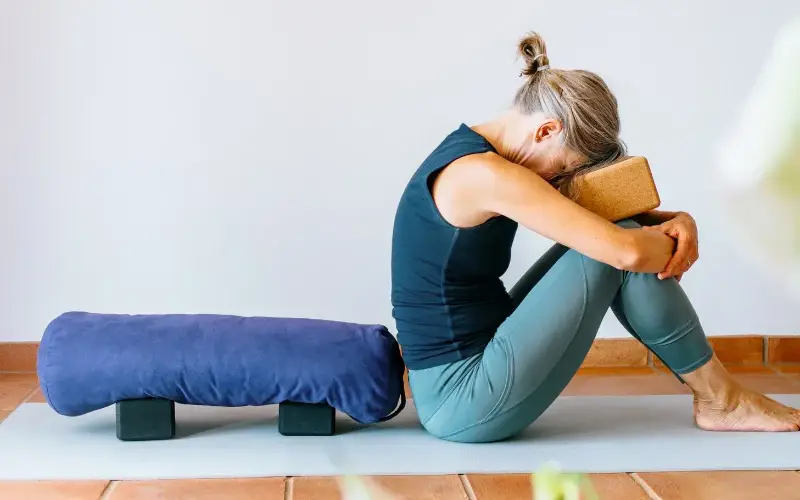
Ever feel like your muscles are always tight, sore, or begging for a break after training? Whether you’re lifting heavy, running long distances, cycling, or playing competitive sports, recovery can feel like a full-time job.
That’s where Yin Yoga quietly steps in and trust me, it’s not as slow or boring as it sounds.
Yin Yoga may look gentle from the outside, but for athletes, it can be a game-changer. It works deep inside the body, helping muscles recover faster, joints stay healthy, and the mind slow down after intense workouts. Let’s break it down in simple terms and see why more athletes are adding Yin Yoga to their recovery routine.
Table of Contents
- 1. What is Yin Yoga?
- 2. Why Yin Yoga Is a Smart Recovery Choice for Athletes?
- 2.1. 1. Supports Deep Tissue Recovery
- 2.2. 2. Improves Joint Health and Mobility
- 2.3. 3. Calms the Nervous System
- 2.4. 4. Reduces Muscle Tightness
- 2.5. 5. Enhances Mental Recovery
- 2.6. 6. Improves Sleep Quality
- 3. Easy to Add to Training Routines
- 4. Best Yin Yoga Poses for Athletic Recovery and Muscle Release
- 4.1. 1. Dragon Pose (Anjaneyasana Variation)
- 4.2. 2. Butterfly Pose (Baddha Konasana)
- 4.3. 3. Sleeping Swan (Pigeon Pose Variation)
- 4.4. 4. Caterpillar Pose (Paschimottanasana)
- 4.5. 5. Sphinx Pose (Bhujangasana Variation)
- 4.6. 6. Shoelace Pose (Gomukhasana Legs)
- 5. Yin Yoga vs. Stretching: What’s the Difference?
What is Yin Yoga?
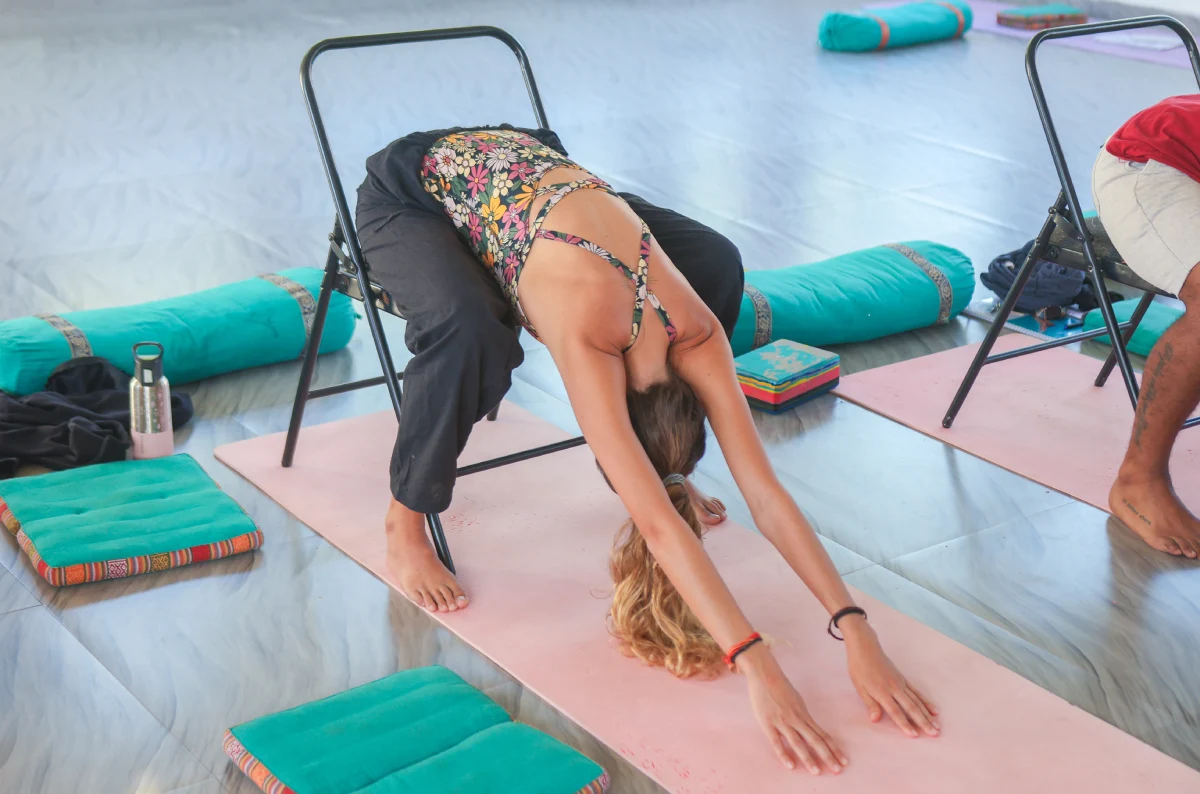
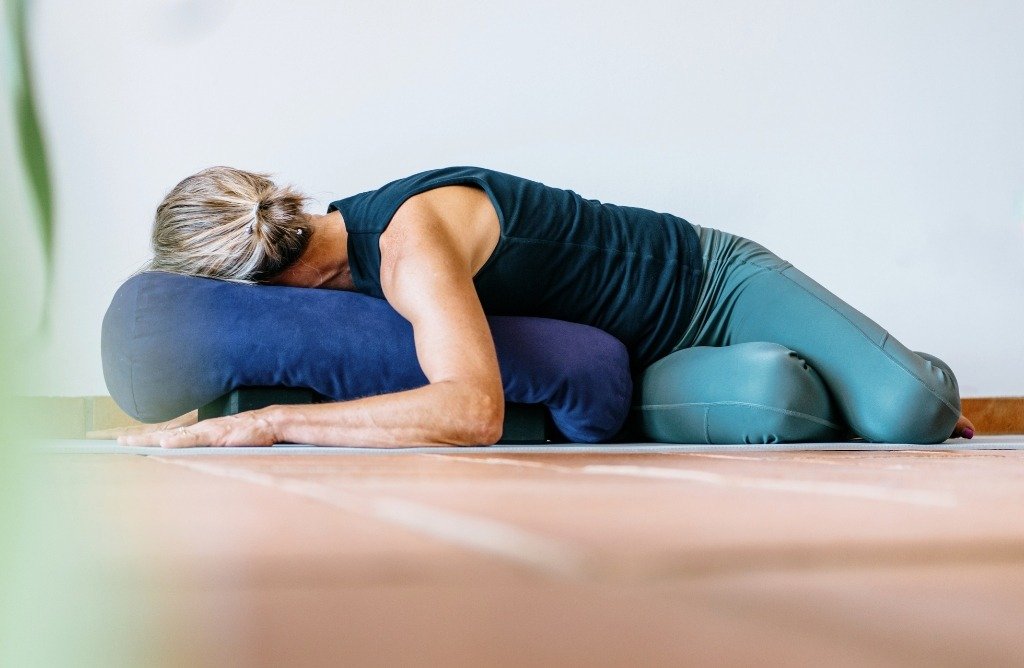
Yin Yoga is a slow, gentle style of yoga that focuses on stillness and deep stretching. Poses are held for longer periods, usually 2 to 5 minutes or more, allowing the body to relax and release tension naturally. Unlike active or strength-based yoga styles, Yin Yoga targets the deeper connective tissues of the body, including fascia, ligaments, tendons, and joints.
Muscles stay mostly relaxed, which helps improve flexibility, joint mobility, and circulation over time. Yin Yoga also emphasizes mindful breathing and awareness, helping to calm the nervous system and reduce stress. This makes it especially effective for recovery, relaxation, and balancing intense physical or mental activity.
Note: Athletic training places stress on the body, and without proper recovery, performance and flexibility can decline. Rishikesh Traditional Yoga School offers Yin Yoga Teacher Training, a slow, restorative practice that releases tension, improves mobility, and restores energy. Ideal for athletes and aspiring instructors, it supports both physical recovery and mental balance.
Want to know why it is different from other styles?
Why Yin Yoga Is a Smart Recovery Choice for Athletes?
Yin Yoga gives athletes quiet time to slow down and listen to the body. Holding poses for longer builds awareness of weak or tight areas, supports better posture, and helps the body recover naturally without pushing or forcing movement.
1. Supports Deep Tissue Recovery
Yin Yoga targets fascia, ligaments, and tendons, which often tighten with repetitive training. Long-held poses stretch these deep tissues, improving elasticity, hydration, and flexibility while releasing tension that regular stretching may miss.
- Increases fascia elasticity
- Hydrates connective tissue
- Releases deep tension
- Promotes balanced movement
This release helps the body move more efficiently, prevents stiffness, and allows athletes to feel lighter and more agile during workouts and competitions.
2. Improves Joint Health and Mobility
Repetitive or high-impact training can strain joints and limit the range of motion. Yin Yoga applies gentle, controlled pressure to joint capsules, nourishes tissues, and improves mobility safely. Regular practice strengthens joint resilience, reduces wear and tear, and enhances overall movement quality. Healthy joints allow athletes to move freely, train consistently, and reduce the risk of injury or discomfort over time.
3. Calms the Nervous System
Intense workouts keep the nervous system alert, slowing recovery and focus. Yin Yoga uses long-held poses and deep breathing to activate the parasympathetic system, promoting relaxation.
- Reduces stress hormone levels
- Promotes mental clarity
- Enhances physical recovery
- Balances energy levels
By calming the nervous system, athletes recover faster, sleep better, and return to training with improved focus and energy.
4. Reduces Muscle Tightness
Muscles often remain tight and sore after demanding workouts. Yin Yoga allows muscles to relax fully, releasing tension passively without overstraining or overstretching. Over time, this improves flexibility, increases responsiveness, and reduces soreness. Athletes benefit from greater comfort during movement, a better range of motion, and a lower risk of strain or injury during future training sessions, making it an ideal recovery practice.
Advice: If you want to deepen your practice, register for our 50-Hour Yin Yoga Teacher Training in Rishikesh.
5. Enhances Mental Recovery
Athletes experience both physical and mental fatigue from intense training and competition. Yin Yoga encourages stillness, mindfulness, and mental focus, providing a space for the mind to reset. Regular practice reduces mental fatigue, improves concentration, restores motivation, and enhances emotional balance. A refreshed mind allows athletes to perform consistently, make better decisions, and maintain confidence throughout rigorous training and competitive seasons.
👉 How Yin Yoga Supports Mental and Emotional Well-Being
6. Improves Sleep Quality
Quality sleep is one of the most important factors in athletic recovery, yet it is often disrupted by intense training and stress. Yin Yoga helps relax the body and quiet the mind, making it easier to fall asleep and stay asleep. By activating the body’s relaxation response, the practice supports deeper, more restorative rest. Better sleep enhances muscle repair, hormone balance, and overall energy levels for improved performance.
Easy to Add to Training Routines
Yin Yoga is gentle, low-impact, and requires minimal equipment, making it easy to fit into any training schedule.
- Low-risk and accessible
- Complements existing workouts
- Can be done post-training
- Supports consistent recovery
Even one or two weekly sessions help reduce soreness, improve flexibility, and enhance both physical and mental recovery, boosting performance and overall well-being.
Best Yin Yoga Poses for Athletic Recovery and Muscle Release
After demanding training sessions, the body needs stillness as much as movement. Yin Yoga poses create space in overworked areas, encourage slow healing, and help athletes reconnect with breath and posture, supporting steady recovery without adding extra effort or strain to the body.
1. Dragon Pose (Anjaneyasana Variation)
Dragon Pose targets the hips and quadriceps, which often tighten from running, cycling, or heavy lower-body training. Holding the pose for several minutes gently stretches hip flexors and releases deep tension. This improves lower body mobility, reduces discomfort, and supports better alignment, helping athletes move more freely during workouts.
2. Butterfly Pose (Baddha Konasana)
Butterfly Pose stretches the inner thighs, groin, and hips, areas commonly affected by sprinting or strength training. Sitting with the soles of the feet together and leaning forward encourages gentle opening of the lower body. Over time, this pose increases hip flexibility, reduces groin and lower back tightness, and supports overall recovery.
3. Sleeping Swan (Pigeon Pose Variation)
Sleeping Swan focuses on the glutes, piriformis, and hip muscles, which often become tight in runners and cyclists. By folding forward over the bent leg, athletes can release deep tension in the lower back and hips. This pose enhances hip alignment, prevents strain, and relieves tightness in the glute and hip regions.
4. Caterpillar Pose (Paschimottanasana)
Caterpillar Pose stretches the hamstrings, calves, and spine while promoting relaxation. Sitting with legs extended and folding forward allows deep connective tissues to release naturally. This pose reduces lower back stiffness, improves hamstring flexibility, and helps athletes recover faster after running, squats, or other demanding workouts.
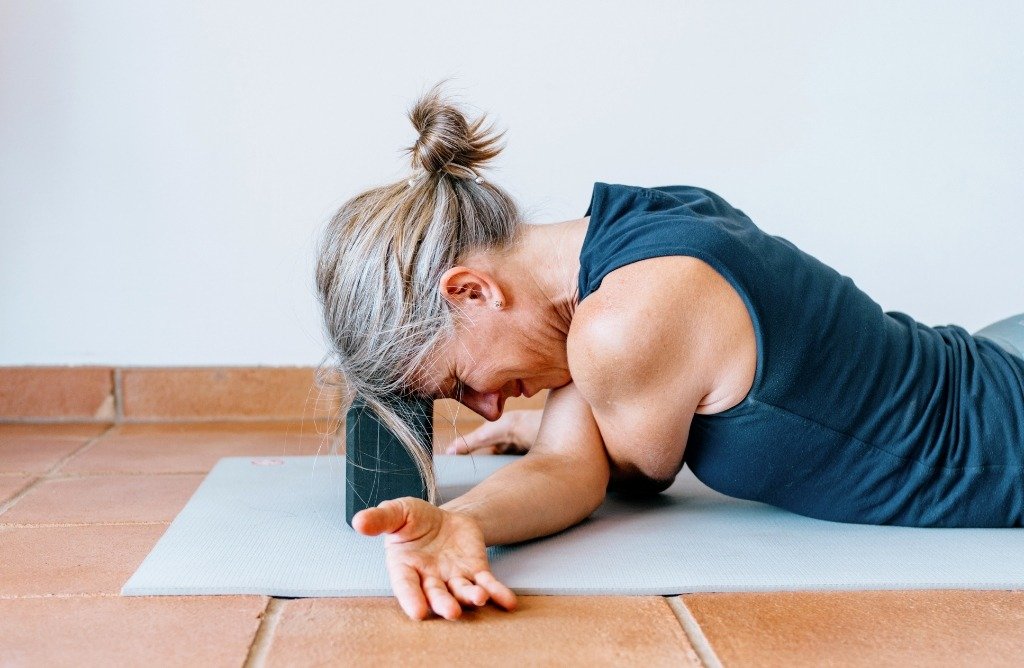
5. Sphinx Pose (Bhujangasana Variation)
Sphinx Pose gently opens the chest and stretches the lower back and spine. By lying on the stomach with forearms on the ground and lifting the chest, athletes release tension from heavy lifts and repetitive training. This pose improves spinal mobility, reduces stiffness, and promotes a healthier posture for long-term performance.
6. Shoelace Pose (Gomukhasana Legs)
Shoelace Pose targets the outer hips, glutes, and thighs, areas often tight from running, cycling, or strength training. Sitting with legs crossed and folding forward stretches deep connective tissues, relieves hip tension, and enhances overall hip mobility. Regular practice helps athletes recover faster and maintain flexibility in the lower body.
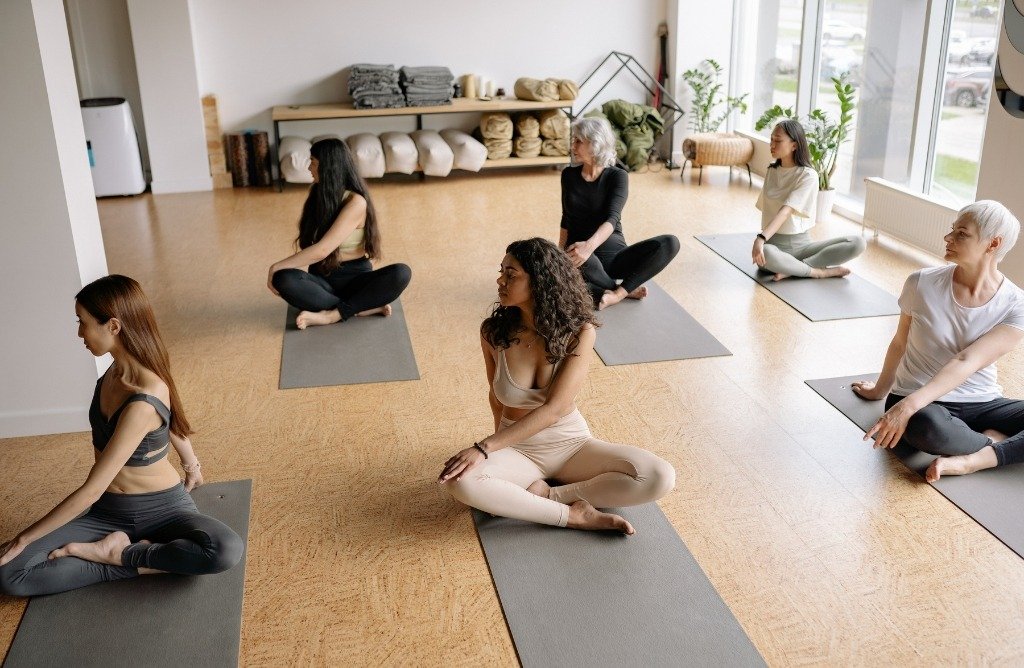
Take your practice to the next level, register for our 85-Hour Yin Yoga Teacher Training in Rishikesh with a structured daily schedule.
Yin Yoga vs. Stretching: What’s the Difference?
While both Yin Yoga and traditional stretching improve flexibility, their approach and benefits differ. Stretching typically targets muscles with short, active movements, aiming for immediate lengthening. Yin Yoga, on the other hand, focuses on long-held poses that work deep connective tissues like fascia, ligaments, and joints.
It also calms the nervous system and promotes mental relaxation. For athletes, Yin Yoga supports deeper recovery, enhanced mobility, and long-term flexibility beyond what regular stretching can achieve.
Frequently Asked Questions
Yin Yoga promotes deep stretching of the body’s connective tissues, improves circulation, and encourages relaxation. For athletes, this can help reduce muscle stiffness, enhance flexibility, and support recovery after intense training or competitions.
Yes. Yin Yoga is a low-impact practice that benefits athletes across different sports and experience levels. By holding poses for longer durations, it helps improve joint mobility, reduce tension, and complement high-intensity training without adding physical strain.
Yes. Rishikesh Traditional Yoga School offers Yin Yoga training that combines traditional yogic principles with practical techniques for flexibility, recovery, and mindfulness. The program is ideal for yoga practitioners, fitness enthusiasts, and athletes looking to enhance performance while supporting long-term physical well-being.