Do Silent Meditation Retreats Enhance Emotional Healing?
Table of Contents
- 1. What is a Silent Meditation Retreat?
- 2. How Silence Affects Emotional Healing
- 3. How Silent Retreats Help with Specific Emotional Issues
- 3.1. 1. Healing from Trauma
- 3.2. 2. Coping with Anxiety and Depression
- 3.3. 3. Improving Relationships
- 3.4. 4. Self-Compassion and Forgiveness
- 4. Common Misconceptions About Silent Retreats
- 5. Empower Your Emotions Through Silent Retreats
Many people face ongoing pressure, emotional strain, and unresolved experiences from the past that can affect their overall well-being. These challenges often make it difficult to feel grounded and at ease in daily life.
Finding ways to regain calm, mental clarity, and a sense of inner balance is essential for emotional and physical health. Practices that encourage self-reflection and mindful awareness can help create this much-needed stability.
One effective method of gaining attention is attending retreats focused on quiet reflection and mindfulness. These retreats offer a dedicated environment to step away from everyday demands, reconnect with yourself, and engage in practices that promote emotional recovery and self-understanding.
What is a Silent Meditation Retreat?
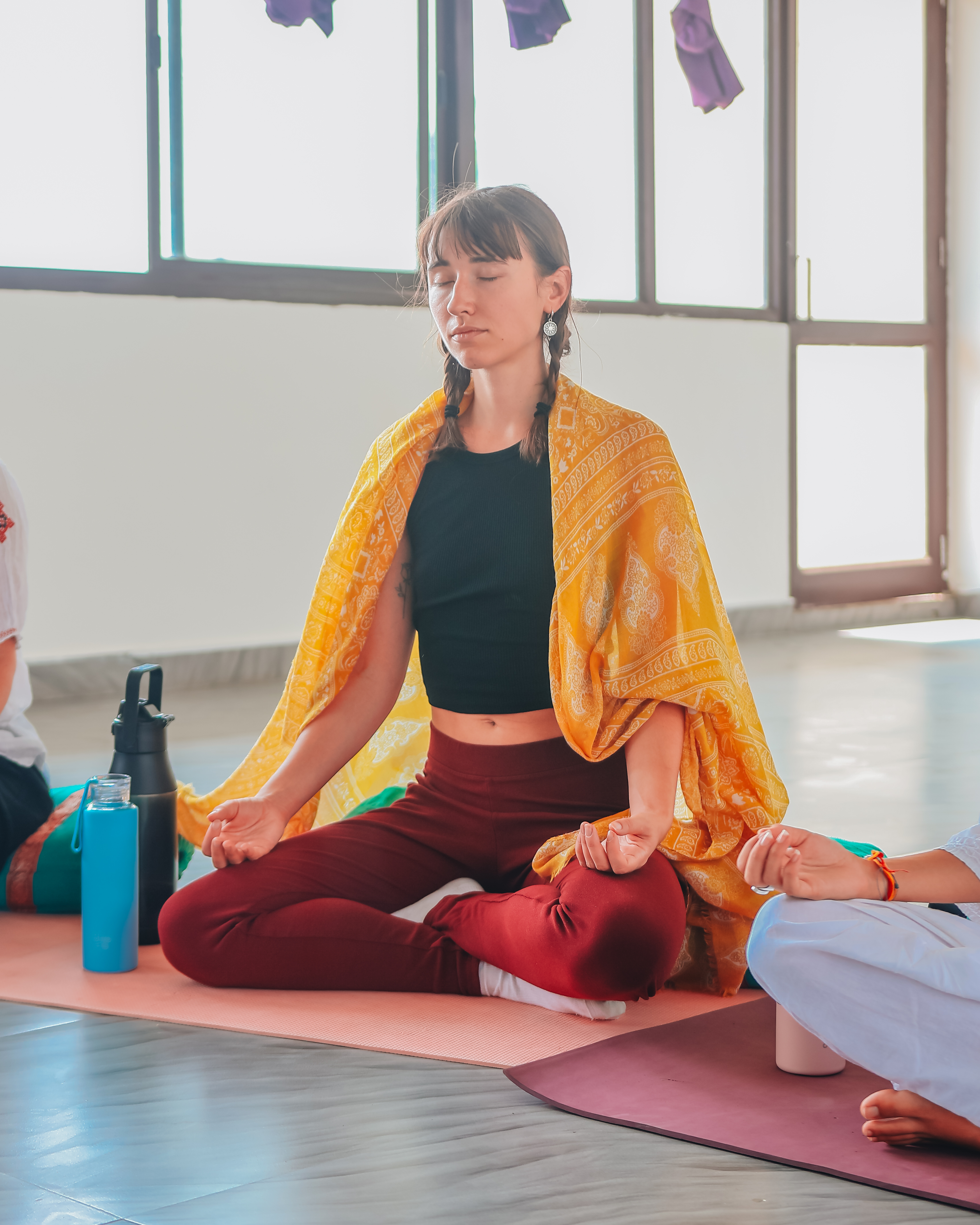
A silent meditation retreat is a dedicated period, anywhere from a weekend to several weeks, where participants focus on mindfulness in complete or near-complete silence. These retreats typically include:
- Guided meditations - Structured sessions to calm the mind.
- Mindful walking - Slow, intentional movement to stay present.
- Yoga or gentle movement - To connect body and mind.
- Reflective journaling - Observing thoughts and emotions.
- Minimal or no interaction - Creating space for inner reflection.
The main goal is to step away from daily distractions and turn attention inward. Silence helps the mind settle, allows emotions to surface naturally, and deepens self-awareness, fostering clarity and emotional balance.

How Silence Affects Emotional Healing
Silence is a powerful way to support emotional well-being and self-discovery. By stepping away from noise and distractions, individuals can create space to reflect, process feelings, and understand their inner world more clearly. The following points highlight the main ways silence contributes to emotional healing:
- Reduced Anxiety and Depression Symptoms: People with high stress or anxiety often notice significant relief after a silent retreat. The combination of structured meditation, silence, and mindfulness fosters calm and reduces negative thought cycles.
- Increased Emotional Resilience: Participants frequently describe a stronger sense of inner stability. They report feeling less reactive to external stressors and more capable of handling daily emotional challenges.
- Enhanced Self-Compassion and Acceptance: Silent retreats create an environment where individuals learn to observe themselves without judgment. This practice cultivates self-compassion, reduces self-criticism, and improves overall emotional well-being.
- Deeper Connection with Life Purpose: Many attendees report a renewed sense of purpose, clarity about life priorities, and a stronger alignment with personal values, which can contribute to emotional fulfillment.
Not sure if a retreat is right for you? Here are 7 signs you need a yoga retreat
How Silent Retreats Help with Specific Emotional Issues
Silent meditation retreats go beyond simple relaxation; they provide a focused environment to work through specific emotional challenges. By practicing mindfulness in silence, individuals gain clarity, insight, and tools to support emotional recovery and personal growth.
1. Healing from Trauma
Traumatic experiences often stay unresolved because we avoid confronting painful memories. Silence allows the mind to safely process these memories at its own pace, often resulting in deep emotional release and relief.
2. Coping with Anxiety and Depression
Participants often report that retreat environments reduce external pressures, allowing them to break cycles of worry, negative thinking, and emotional reactivity.
3. Improving Relationships
By cultivating self-awareness and emotional regulation, retreats help individuals better understand their emotional triggers and communicate more effectively with others.
4. Self-Compassion and Forgiveness
Time spent in meditation encourages self-reflection, allowing participants to develop compassion for themselves and others and to release resentment or guilt that may block emotional healing.
Common Misconceptions About Silent Retreats
Many people avoid silent retreats because of misunderstandings about what they involve, who they are for, and how meditation works. Here are some common myths clarified:
- “I will feel lonely or isolated.” Silence doesn’t mean being alone. Participants often experience a deep sense of connection with themselves and others without speaking.
- “I need to meditate perfectly.” There is no perfect meditation. The goal is awareness and self-understanding, not achieving a specific state.
- “It’s only for spiritual people.” Silent retreats are for anyone seeking emotional balance, stress relief, or mental clarity, regardless of spiritual beliefs.
Related Articles:
How a Yoga Meditation Retreat Can Improve Your Focus
How Yin Yoga Supports Mental and Emotional Well-Being
Empower Your Emotions Through Silent Retreats
Silent meditation retreats at Rishikesh Traditional Yoga School provide a serene environment for exploring inner emotions and cultivating emotional balance. Through guided meditation, mindful practices, and periods of intentional silence, participants gain clarity, reduce stress, and release emotional blockages. These retreats create a safe space to reconnect with yourself, fostering resilience, self-awareness, and lasting emotional healing.
Join our retreats in Rishikesh, the spiritual heart of yoga, and experience the transformative power of silence for emotional well-being.
Frequently Asked Questions

Integrating daily meditation, mindfulness in routine tasks, journaling, and attending follow-up programs or meditation groups helps maintain and deepen the emotional healing gained during the retreat.
Yes. Practicing in a supportive group environment fosters a sense of connection, shared growth, and emotional encouragement, even without verbal communication.
Rishikesh offers a serene, spiritual environment surrounded by the Ganges and the Himalayas. Its natural tranquility supports deep introspection, mindfulness, and emotional healing.