Top Questions to Ask Before Enrolling in Yoga Teacher Training Course
Table of Contents
- 1. 13 Questions to Ask Before Enrolling in a Yoga Teacher Training Course
- 1.1. 1. Is the Course Certified and Recognized?
- 1.2. 2. What Are the Admission Requirements?
- 1.3. 3. What Style of Yoga Is Taught?
- 1.4. 4. What Is Included in the Curriculum?
- 1.5. 5. How Experienced Are the Teachers?
- 1.6. 6. What Is the Duration and Schedule of the Course?
- 1.7. 7. What Is the Daily Schedule Like?
- 1.8. 8. What Are the Accommodation and Food Arrangements?
- 1.9. 9. What Is The Total Course Fee, and What Is Included In It?
- 1.10. 10. How Many Students Are Enrolled in Each Training Batch?
- 1.11. 11. What Do Past Students Say About Their Experience With the Course?
- 1.12. 12. What Is the School’s Teaching Philosophy and Approach?
- 1.13. 13. Does the School Provide Any Post-Certification Support or Teaching Opportunities?
- 2. Why You Should Ask These Questions First
- 3. Start Your Yoga Teaching Journey with Rishikesh Traditional Yoga School
Joining a Yoga Teacher Training Course (YTT) is a big step. It requires time, dedication, financial investment, and emotional commitment. Many students are excited about becoming certified yoga teachers, but before enrolling, it is important to ask the right questions.
A clear understanding of the course structure, teaching style, certification, and expectations will help you make a confident decision.
If you are considering a 200-hour, 300-hour, or 500-hour Yoga Teacher Training, the following questions will help you choose the right program for your goals.
13 Questions to Ask Before Enrolling in a Yoga Teacher Training Course
1. Is the Course Certified and Recognized?
One of the first questions to ask is about certification.
-
Is the school registered with Yoga Alliance?
-
Will you receive an internationally recognized certificate?
-
Is the certification valid for teaching globally?
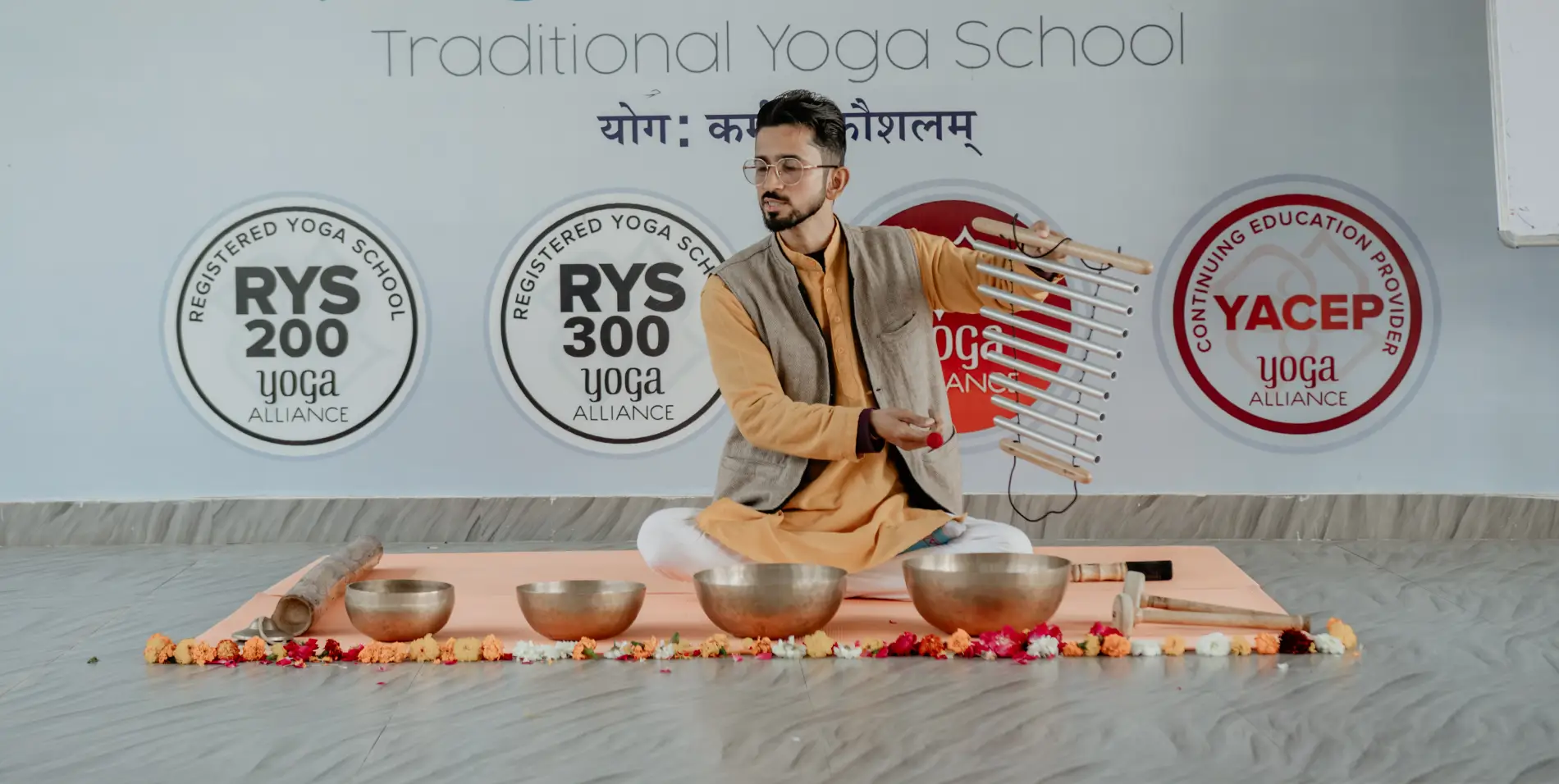
A Yoga Alliance–registered course ensures that the curriculum follows recognized international standards. This can be important if you plan to teach abroad or register as a certified yoga teacher.
2. What Are the Admission Requirements?
Clarify eligibility before applying:
-
Is prior yoga experience required?
-
Is the 200-hour course suitable for beginners?
-
Is a previous certification required for the 300-hour training?
Knowing the requirements helps you choose the right level without confusion.
Learn: Why a 200 Hour Yoga TTC Is Ideal for Starting a Yoga Career
3. What Style of Yoga Is Taught?
Yoga has many styles, and each school focuses on different traditions. Before enrolling, ask:
-
Is the course based on Hatha, Ashtanga, Vinyasa, or a combination?
-
Does it include traditional teachings or a modern approach?
-
Are meditation and pranayama part of the daily schedule?
For example, traditional schools in places like Rishikesh often focus on classical Hatha and Ashtanga yoga along with philosophy and meditation. Choose a style that matches your personal practice and teaching goals.
4. What Is Included in the Curriculum?
A complete yoga teacher training course should cover more than asana. Ask for a detailed syllabus and check if it includes:
-
Yoga philosophy (Yoga Sutras, Bhagavad Gita)
-
Anatomy and physiology
-
Teaching methodology
-
Alignment and adjustment techniques
-
Pranayama and meditation
-
Practicum and teaching practice
A well-structured curriculum builds confidence step by step and prepares you for real classroom teaching.
5. How Experienced Are the Teachers?
The quality of teachers plays a major role in your learning experience. Important questions include:
-
What are the teachers’ qualifications?
-
How many years of teaching experience do the instructors have?
-
Do they specialize in specific areas like anatomy or philosophy?
Learning from experienced teachers ensures proper guidance, safe alignment instructions, and deeper knowledge of traditional yoga principles.
6. What Is the Duration and Schedule of the Course?
Yoga Teacher Training courses commonly come in formats such as:
-
500-hour YTT
-
Specialized teacher training programs like Yin Yoga, Aerial Yoga, or Ashtanga Yoga
Ask yourself:
-
Do I have enough time to fully commit?
-
Is the schedule too intensive for my current fitness level?
-
Is it residential or non-residential?
-
Am I prepared for a disciplined daily routine?
Most 200-hour courses are conducted intensively over 21–28 days in a residential format. Advanced 300-hour and 500-hour programs may be offered in modules or spread over a few months. Specialized teacher training courses like Yin or Hatha also follow structured schedules focused on teaching skills and deeper study.
Choose a format that matches your availability and allows you to fully engage in the learning process.
Get to know: Yoga Teacher Training in India: Complete Guide to Courses, Certification & Retreats
7. What Is the Daily Schedule Like?
Yoga teacher training courses can be intensive.
-
How many hours per day will you study and practice?
-
Is there enough time for rest and self-study?
-
How balanced is the daily timetable?
Some courses run from early morning to evening with limited breaks. Make sure the schedule matches your physical and mental capacity.
8. What Are the Accommodation and Food Arrangements?
If you are enrolling in a residential course, especially in India, this is an important question. A peaceful and clean environment supports focused learning.
Most traditional schools provide vegetarian or sattvic meals that are simple and nutritious. Confirm if accommodation is private or shared and if basic facilities like Wi-Fi, laundry, and hot water are available. Comfortable living conditions allow you to focus completely on your studies.
9. What Is The Total Course Fee, and What Is Included In It?
Before confirming your seat, clarify all financial details. Ask if the course fee includes accommodation, meals, study materials, excursions, and certification.
Also, check if there are any additional costs such as registration fees or exam fees. Understanding the complete fee structure prevents unexpected expenses later.
10. How Many Students Are Enrolled in Each Training Batch?
Class size plays an important role in the learning experience. Smaller batches usually provide:
-
More personal attention
-
Better alignment corrections
-
Individual feedback
-
Stronger connection with teachers
Large groups may feel less personal, and students may receive limited guidance. Asking about batch size helps you choose a course that supports quality learning.
11. What Do Past Students Say About Their Experience With the Course?
Student reviews give honest insight into the real experience of the training. Reading testimonials can help you learn about:
-
Teaching quality
-
Course structure
-
Accommodation and food
-
School atmosphere
-
Overall satisfaction
Look for detailed reviews rather than short comments. Genuine feedback from past students can help you decide if the school matches your expectations.
12. What Is the School’s Teaching Philosophy and Approach?
Every yoga school has its own teaching style.
-
Is the approach disciplined and traditional?
-
Is there a focus on alignment and safety?
-
How is feedback given?
Choosing a school aligned with your values improves your overall experience.
13. Does the School Provide Any Post-Certification Support or Teaching Opportunities?
Completing your certification is just the beginning of your teaching journey. It is important to know if the school continues to support students after graduation. Some schools offer:
-
Guidance on starting your teaching career
-
Assistant teaching opportunities
-
Internship programs
-
Career advice and mentoring
-
Lifetime access to teachers for questions
Post-certification support helps new teachers feel confident when they begin teaching independently.
Related Articles:
How Long Does It Take to Complete a Yoga Teacher Training Course?
200 vs 300 Hour Yoga Teacher Training: Which Is Right for You?
Why 500-Hour Yoga Training Is a Lifetime Investment

Why You Should Ask These Questions First
Before enrolling in a Yoga Teacher Training Course, take time to review all important details carefully. A clear understanding of the certification, curriculum, teaching methodology, and daily schedule will help you choose the right program.
Since a Yoga Teacher Training requires time, dedication, and financial commitment, selecting a structured and recognized course ensures a smooth learning experience. By asking the right questions in advance, you can confidently choose a program that aligns with your goals and prepares you for professional yoga certification.
Start Your Yoga Teaching Journey with Rishikesh Traditional Yoga School
Becoming a yoga teacher is more than earning a certificate; it requires discipline, self-study, and responsible teaching. At Rishikesh Traditional Yoga School, we believe choosing the right Yoga Teacher Training Course should be clear and transparent. We guide students step by step before enrollment so they know what to expect.
We offer structured 200-Hour, 300-Hour, and 500 Hour Yoga Teacher Training in Rishikesh, covering Hatha and Ashtanga Yoga, alignment, pranayama, meditation, anatomy, and philosophy. We maintain small groups, provide accommodation and meals, and focus on practical teaching skills.
Join us in Rishikesh and begin your journey toward becoming a confident yoga teacher.